💔 STRASZNE WIADOMOŚCI Z TURNIEJU 2026: Na kilka godzin przed kluczowym meczem Alexandra Eala niespodziewanie zalała się łzami, gdy otrzymała pilny telefon od rodziny. Młoda gwiazda tenisa natychmiast opuściła trening w milczeniu, wywołując głębokie zaniepokojenie wśród swojej drużyny i innych graczy. Kilka minut później jej przedstawiciel potwierdził, że matka Eali znalazła się w poważnej sytuacji zdrowotnej…

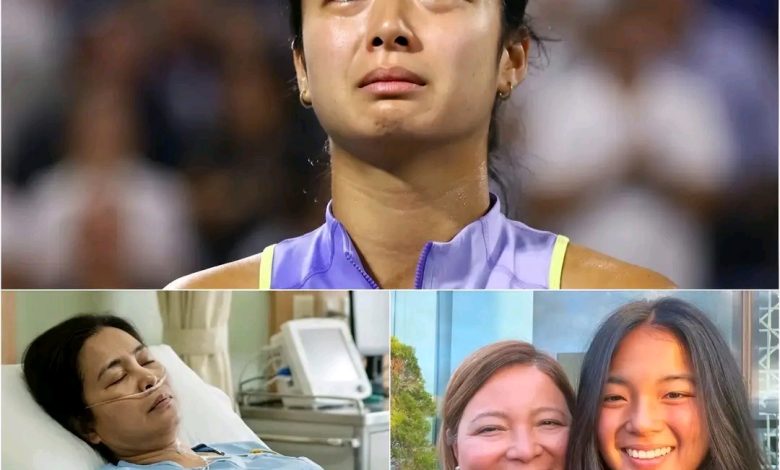
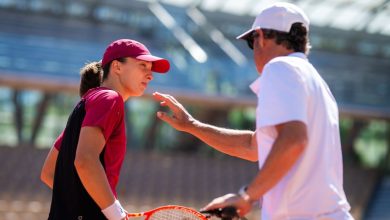
W ciepłe marcowe popołudnie 2026 r. spokojne korty treningowe turnieju BNP Paribas Open w Indian Wells w Kalifornii nagle wypełniła niepokojąca cisza. Alexandra Eala, 20-letnia wschodząca gwiazda z Filipin, rozstawiona z numerem 31 i osiągająca wysokie wyniki po serii imponujących zwycięstw, wraz ze swoim trenerem i partnerem treningowym wraz z trenerem i partnerem treningowym przygotowywała się do starcia w czwartej rundzie o wysoką stawkę z przeciwnikiem z pierwszej dziesiątki. Sesja była intensywna – potężny lewy forhend Eali odbijał się od kortu, jej praca nóg była doskonała, a koncentracja nie do złamania. Potem wszystko zmieniło się w jednej chwili.
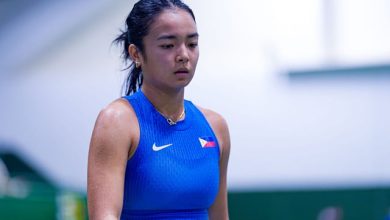
Jej telefon zawibrował na ławce. Spojrzała na ekran, odebrała i po kilku sekundach opadły jej ramiona. Kiedy słuchała, po jej twarzy płynęły łzy. Bez słowa delikatnie rzuciła rakietę, przeprosiła kort i w milczeniu odeszła w stronę poczekalni dla graczy. Jej trener zamarł w połowie zdania, jej partner uderzający wymienił zmartwione spojrzenia, a pobliscy gracze przerwali ćwiczenia, aby obserwować rozwój tej niezwykłej sceny. Wieść szybko rozeszła się po tenisowej bańce: z Alexem dzieje się coś naprawdę złego. W ciągu kilku minut zespół zarządzający Eali wydał za pośrednictwem swoich oficjalnych kanałów krótkie, ponure oświadczenie: “Aleksandra otrzymała pilną i niepokojącą wiadomość rodzinną dotyczącą poważnego stanu zdrowia bardzo bliskiego członka rodziny. W związku z tym podjęła trudną decyzję o natychmiastowym wycofaniu się z turnieju, aby wrócić do domu i być z bliskimi. Z szacunkiem prosimy o prywatność i zrozumienie w tym trudnym czasie. Dziękujemy za ciągłe wsparcie. ” Ogłoszenie to było jak fala uderzeniowa. Niemal natychmiast w mediach społecznościowych zawrzało. Fani z Filipin – gdzie Eala jest bohaterką narodową – zaczęli zalewać jej posty modlitwami, przesłaniami miłości i wirtualnymi uściskami, używając hashtagów takich jak #PrayForEalaFamily, #AlexEalaStrong, #FamilyFirst i #TennisForAlex. Inni gracze, z których wielu dzieliło z nią chwile w szatni lub bitwy na korcie, przesłali serdeczne wyrazy uznania. Coco Gauff, którą Eala zdenerwowała na początku turnieju, napisała po prostu: „Przesyłam całą moją miłość i siłę Alex i jej rodzinie. Nigdy nie jesteś sam. Iga Świątek udostępniła zdjęcie uśmiechniętej Eali po meczu z podpisem: „Wszyscy myślimy o Tobie, Alex. Dbać o siebie.” Nawet weterani, tacy jak Ons Jabeur i Madison Keys, wyrazili zaniepokojenie i solidarność.
Dla tych, którzy uważnie śledzą Ealę, wiadomość ta miała dodatkową wagę ze względu na to, jak otwarcie zawsze mówiła o centralnej roli rodziny w jej życiu. Jej największą zwolenniczką jest jej matka, Rosemarie „Rizza” Maniego-Eala, była pływaczka narodowa, która zdobyła brąz na Igrzyskach Azji Południowo-Wschodniej w 1985 r., jest jej największą zwolenniczką i często z nią podróżuje. Jej ojciec, Mike Eala, jest stale obecny na korcie, oferując cichą zachętę podczas każdego turnieju juniorów, każdego pobytu w akademii i każdego przełomu w WTA Tour. Poświęcenia rodziny – finansowe, emocjonalne i logistyczne – zostały dobrze udokumentowane w wywiadach. Eala wielokrotnie chwaliła ich za to, że jako nastolatka umożliwiła jej trenowanie w Akademii Rafaela Nadala w Hiszpanii, podróżowanie po całym świecie i realizowanie swoich marzeń bez poczucia samotności. Chociaż na prośbę rodziny dokładny charakter sytuacji zdrowotnej utrzymywano w tajemnicy, oświadczenie rodziców – przekazane za pośrednictwem rzecznika rodziny – ujawniło wystarczająco dużo, by poruszyć miliony. „Nasza rodzina stoi przed poważnym wyzwaniem medycznym, które wymaga, aby Alexandra była teraz w domu” – czytamy w oświadczeniu. “Zawsze była naszą dumą i radością, ale co więcej, jest naszą opoką. Nigdy nie chcieliśmy, żeby się martwiła, ale ona nalega, aby być tutaj z nami. Jesteśmy wdzięczni za miłość i modlitwy napływające z całego świata. Tenis poczeka, a rodzina nie. ” Globalna społeczność tenisowa zareagowała wybuchem empatii, rzadko spotykanym na taką skalę. Organizatorzy turnieju w Indian Wells wydali oficjalne oświadczenie, w którym życzą rodzinie wszystkiego najlepszego i potwierdzają, że wycofanie się Eali zostanie potraktowane ze współczuciem – bez kar finansowych i żadnych konsekwencji w rankingu poza standardową strukturą pożegnania. WTA podzieliła podobne zdanie, kładąc nacisk na dobro zawodników przede wszystkim. Media w Azji, Europie i obu Amerykach zamieszczały artykuły przedstawiające podróż Eali: od zdeterminowanego juniora w Quezon City do gracza z pierwszej pięćdziesiątki, którego gra opierała się na mocy, precyzji i opanowaniu.
W następnych dniach narracja zmieniła się z rywalizacji na współczucie. Fani dzielili się historiami o tym, jak zainspirowała ich pokora Eali i nastawienie na rodzinę. Wiele osób wskazywało na jej emocjonalne uściski z rodzicami po meczu po wielkich zwycięstwach lub sposób, w jaki zawsze dziękowała im na konferencjach prasowych. Inni wspominali jej niedawne gesty hojności – pogłoski o przekazaniu znacznych środków pieniężnych na zabezpieczenie przyszłości swoich rodziców – i postrzegali tę chwilę jako rozdzierające serce przedłużenie tej samej miłości. Dla Eali decyzja o odejściu była niewątpliwie bolesna. Była w trakcie jednego ze swoich najcięższych okresów: półfinału poprzedniego turnieju WTA 1000, zdenerwowania czołowymi graczami i rosnącej publiczności machającej flagami Filipin, gdziekolwiek grała. Jednak bez wahania wybrała rodzinę, co tylko pogłębiło zachwyt, jaki wzbudza. Podczas gdy świat tenisa będzie kontynuował swój marsz przez sezon 2026, oczy Alexandry Eali będą zwrócone na Alexandrę Ealę – nie tylko ze względu na jej talent, ale także serce. W sporcie, który często wymaga od sportowców wszystkiego, przypomniała wszystkim, że pewne rzeczy są ważniejsze niż jakikolwiek tytuł czy ranking. Modlitwy napływają z Manili do Madrytu, z Kalifornii, gdziekolwiek teraz przebywa – otoczona rodziną, która dała jej wszystko, a teraz otrzymuje w zamian jej siły. Przesyłam miłość, uzdrowienie i pokój Alexandrze Eali i jej rodzinie w tym trudnym czasie.