Alex Eala publicly refuses to wear the LGBT rainbow armband in major matches in upcoming seasons. The Filipino female tennis player stated: “Tennis should focus on the match, competition, and victory – it should not become a platform for political or ideological propaganda.” Her stance immediately went viral on social media, forcing both Alex Eala and the management to make an urgent decision – a decision that will inevitably disappoint the majority of fans, regardless of the outcome…

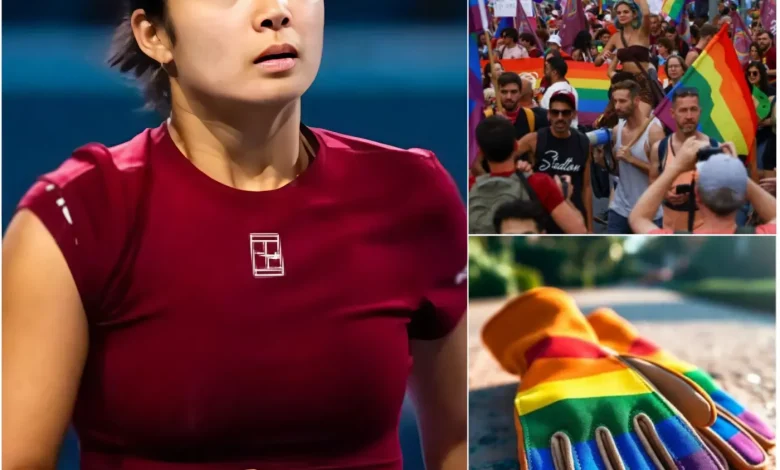
Alex Eala Sparks Controversy by Refusing to Wear LGBT Rainbow Armband in Upcoming Matches.
The tennis world is no stranger to controversy, but a recent development has sparked intense debate across social media, sports outlets, and among fans worldwide.
Alex Eala, the rising Filipino tennis star, has publicly stated that she will refuse to wear the LGBT rainbow armband in major matches in upcoming seasons.
Her statement has ignited a whirlwind of discussion regarding the role of athletes in promoting social causes, personal beliefs, and the intersection of sports and politics.
Alex Eala’s Statement
In an official interview, Eala expressed her perspective clearly and unapologetically:
“Tennis should focus on the match, competition, and victory – it should not become a platform for political or ideological propaganda.”
Her comments, though straightforward, immediately sparked reactions both in support and criticism. While some applauded her for prioritizing the sport and respecting her personal beliefs, others viewed her stance as controversial and potentially insensitive to ongoing social inclusion initiatives within professional sports.
Immediate Reaction On Social Media
As soon as her statement circulated, social media platforms such as Twitter, Instagram, and Facebook erupted with discussions. Hashtags related to Alex Eala and the LGBT rainbow initiative quickly trended in several countries, including the Philippines, the United States, and European tennis hubs.
The online reaction was divided into two broad camps:
Supporters of Eala’s Decision: Many fans and commentators argued that athletes should not be compelled to endorse political or ideological causes against their beliefs. Supporters highlighted that tennis, like any sport, is primarily about skill, performance, and competition, not social activism.
Comments such as “Respect her choice – tennis is tennis, not politics” became widespread, reflecting the views of this group.
Critics and Concerned Observers: Another segment criticized Eala for rejecting the armband, claiming that professional athletes hold influence and responsibility beyond the court. They argued that wearing symbols like the rainbow armband is part of promoting inclusivity and supporting marginalized communities.
Critics expressed disappointment, suggesting that Eala’s stance could appear as a lack of solidarity with ongoing social campaigns within the sporting world.
Pressure on Tennis Organizations and Management
Eala’s announcement did not only stir social media; it also placed the tennis governing bodies and tournament organizers in a delicate position. Officials and management teams face the challenge of balancing respect for individual players’ beliefs with the broader commitments to social responsibility and diversity.
Sources close to Eala’s management team revealed that urgent discussions were held to address the situation, considering the possible implications for both Eala’s career and the public image of tournaments where the armband initiative is promoted.
Decisions had to be made swiftly to prevent further escalation and to clarify the expectations for players in upcoming competitions.
Potential Consequences for Alex Eala
While Eala remains a promising talent in women’s tennis, her decision could have repercussions on multiple levels. On a professional front, sponsors and tournament organizers often value athletes’ public image and willingness to participate in social campaigns.
By refusing to wear the armband, Eala may face questions about her alignment with sponsorship expectations or tournament promotional efforts.
Moreover, the reaction from fans could influence her public perception and popularity. While many supporters respect her stance, the disappointed segment of the tennis community may express their disapproval vocally, creating additional pressure on Eala in future matches.
The media scrutiny surrounding this issue may also distract her from focusing entirely on her performance on the court.
The Broader Debate: Athletes and Social Responsibility
Alex Eala’s case highlights a broader ongoing debate in professional sports: to what extent should athletes be expected to promote social or political causes?
Proponents of athlete activism argue that sports figures have a platform that can raise awareness and influence public opinion. Wearing symbols such as the rainbow armband is seen as a small but meaningful gesture that communicates support for diversity and inclusion.
It is also a demonstration of solidarity with communities that face discrimination or marginalization.
On the other hand, critics assert that athletes have the right to separate their professional careers from personal beliefs and ideological campaigns. Compelling players to display symbols they do not personally support could be viewed as an infringement on individual freedom.
Many argue that the primary purpose of professional sports should remain focused on performance, competition, and fair play, not serving as a platform for political or social messaging.
Comparisons with Other Sports Incidents
Eala’s stance can be contextualized within a broader history of similar controversies across various sports. Over the past decade, numerous athletes in football, basketball, and other professional leagues have faced pressure to wear symbols supporting social causes.
While some complied voluntarily, others expressed discomfort or refused, sparking debates on personal freedom versus societal expectations.
The responses from clubs, leagues, and governing bodies have varied widely, often depending on public sentiment, the cultural context, and the nature of the social cause in question.
Eala’s decision adds to this ongoing discussion, particularly in tennis, where individual players represent both themselves and the sport in a highly publicized global arena.
Impact on Upcoming Matches and Public Perception
The immediate concern for Alex Eala and her team is how this decision will affect her participation in upcoming tournaments.
While the refusal to wear the armband does not impact her eligibility or technical performance, the public and media attention may create additional mental pressure, potentially influencing her focus during crucial matches.
Additionally, tournament organizers may need to communicate their stance clearly to avoid controversy overshadowing the competitions themselves. Balancing respect for individual beliefs with the promotion of inclusivity initiatives will remain a delicate task for organizers in the coming seasons.
Conclusion
Alex Eala’s public refusal to wear the LGBT rainbow armband has ignited a complex debate that goes beyond tennis. It touches on personal beliefs, athlete activism, social responsibility, and the role of sports in modern society.
While Eala continues to focus on her career and competitive goals, her stance ensures that her name will be associated with this controversy for the foreseeable future.
Fans, media, and tennis officials alike will be watching closely to see how she navigates the fallout and whether her decision will inspire similar discussions among other professional athletes.
Ultimately, this situation underscores the challenges that arise when personal convictions intersect with public expectations, particularly in a globalized and highly visible sport like tennis.
Regardless of the outcome on the court, Alex Eala’s choice has sparked an important conversation about the boundaries between sports, social responsibility, and individual freedom – a debate that will likely continue to shape the culture of professional athletics in the years to come.