
Judy Murray’s Emotional Role in Andy’s Rise to Tennis Greatness: The Sacrifices, Unwavering Support and Mother’s Love Behind Britain’s Wimbledon Champion That Changed His Life Forever!
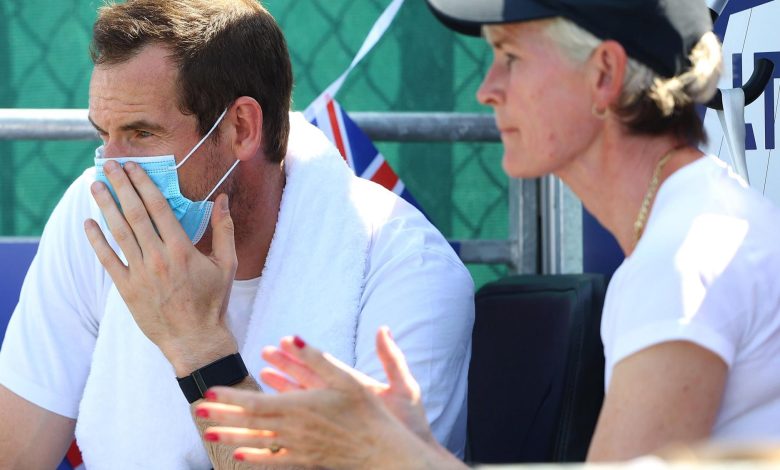
Andy Murray’s success on the professional tennis circuit has been built on years of hard work, competition experience and family support. His mother, Judy Murray, was instrumental in his early development, introducing him to the sport at a young age thanks to her tennis knowledge.
Judy told Andy and his elder brother Jamie Murray to build up balance, co-ordination and sporting instincts through everyday activities rather than just focusing on professional training. While at the local tennis club in Dunblane, Scotland, both boys were also able to develop their game and find a competitive edge.
How Judy Murray shaped Andy Murray’s early tennis journey
Judy Murray was very much part of Andy’s introduction to tennis when he was a toddler. According to her, Andy had been playing with a small racket from about two years of age, and his older brother Jamie was also involved in the family’s sporting activities.
They didn’t always use traditional tennis equipment when they were young. Judy made simple games using things from around the house such as cereal packets for nets, biscuit tin lids for paddles, and balloons for games indoors. These activities helped to build hand-eye coordination, balance, agility and an understanding of movement.
Playing table tennis on the kitchen table with ordinary household things was one of the family’s unforgettable pastimes. These ideas Judy later developed into the Set4Sport initiative, encouraging parents to introduce young children to sport through games that are easy to play.
Her coaching philosophy was based on making physical activity fun, rather than putting any pressure on children to get results straight away.
Andy Murray developed skills through games and football
Judy knew athletic development was more than just learning tennis strokes. She’d often play ball games with Andy and Jamie to improve their coordination and their tactical understanding.
She also stressed the importance of knowing how to play, rather than just focusing on technical perfection. Andy was able to develop with this method the movement, anticipation, and court awareness that later became important characteristics of his playing style.
Football was another major part of Andy’s childhood. He played for school and local teams and developed an interest in the sport along with his increasing commitment to tennis.
Andy was also noticed by Glasgow Rangers FC, where he was given a chance to continue playing football. But at some point in the course of his tennis development, he had to pick a sport.
He also played several other sports, and this background helped him to develop athletic skills that complemented his tennis.
Judy Murray balanced family life with competitive tennis
Andy had an additional incentive, having grown up with Jamie Murray. The brothers used to play a lot of tennis together, and there was a competitive spirit in both of them, wanting to get better. Their rivalry also served to get Andy accustomed to the pressure of competitive matches and tough opponents.
Judy knew each son had different strengths and needed different paths of development. Jamie became a leading doubles player, and Andy developed into one of the world’s best singles players. She backed both trips, not expecting them to go the same way.
Judy did more than just introduce Andy to the sport. She was a coach at the local tennis club in Dunblane, using her coaching qualifications to the full and helping to provide opportunities for young players in the community.
Andy continued his development as he moved up through junior competitions, with her support and other coaches’ involvement in his professional training. Her involvement provided a foundation for him to pursue ever more challenging competitive opportunities.
Andy eventually became the first British man in 77 years to win the Wimbledon men’s singles title in 2013. In 2016, he again won the championship and in November of that year became world number one.
Those successes were earned through Andy’s own determination, talent and years of professional preparation, but Judy Murray’s early guidance remained an important part of his sporting journey.