
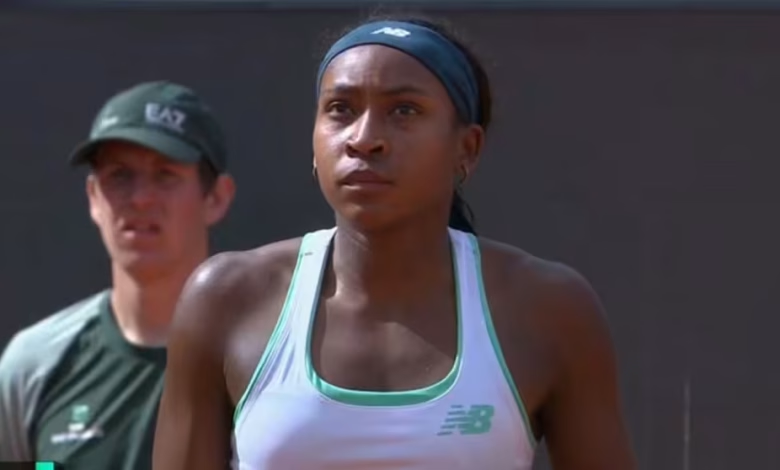
Półfinałowy mecz Coco Gauff na Italian Open został przerwany po tym, jak rozstawiona z numerem 3 zauważyła problem na trybunach. Amerykanka prowadziła Soranę Cirsteę setem, a Cirstea serwowała przy stanie 2:3 w drugiej kwarcie, gdy Gauff zorientował się, że coś jest nie tak. Sędzia główny natychmiast wezwał lekarzy i oznajmił publiczności, że gra zostanie wstrzymana do czasu, aż widz będzie oczekiwał na pomoc medyczną. “To Marija z kortu centralnego. Górny poziom, po prawej stronie, potrzebny jest lekarz” – powiedziała sędzia Marija Cicak przez krótkofalówkę. Komentatorka Naomi Cavaday powiedziała widzom Sky Sports: “Wygląda na to, że w tłumie doszło teraz do nagłego wypadku medycznego. Tak naprawdę to Gauff zauważył to w tłumie, zrobiło się zamieszanie na górze.
Musimy tylko chwilę poczekać, aż przybędzie pomoc medyczna. Myślę, że jest też na samej górze, to bardzo stromy stadion, zajmuje to tylko trochę czasu. Mamy tylko niewielkie opóźnienie w oczekiwaniu na ten egzemplarz.” Gauff usiadła na swojej ławce, podczas gdy Cicak zszedł z krzesła, również wzywając Cirsteę na bok kortu. Następnie obaj gracze skorzystali z okazji, aby porozmawiać ze swoimi zespołami. Tim Henman siedział na boisku i powiedział: „Stadion na górze jest pełny, więc mam nadzieję, że z osobą, o której mowa, nic się nie stało i jak najszybciej uzyska pomoc lekarską i wszyscy wyzdrowieją”. Kamery uchwyciły górną część trybun, jak dodał Cavaday: „Dopiero widzimy obszar, w którym oczekują na pomoc medyczną, wygląda na to, że w tej chwili nadal czekają.
Cirstea nadal rozmawiała ze swoimi trenerami, podczas gdy Gauff wrócił na bok kortu, stając obok sędziego i obserwując, co dzieje się na trybunach. W meczu doszło już do wielu zmian dynamiki, gdy Amerykanin wrócił po załamaniu w pierwszym secie i wygrał 6:4. Następnie prowadziła po przerwie w drugim secie, po czym Cirstea wróciła do serwisu. Jamie Murray powiedział widzom, że opóźnienie jeszcze bardziej wpłynie na dynamikę. “To niewiadoma: «Na jak długo będziemy zatrzymani? Kiedy znowu zaczniemy grać? Czy ochłonę? Czy stracę rytm, adrenalinę i dynamikę meczu?»” – wyjaśnił. Były debel nr 1 nie mylił się. Kiedy po kilku minutach gra została wznowiona, Cirstea natychmiast się załamała. Jednak Gauff, który w zeszłym roku zajął drugie miejsce, nie mógł sobie z tym poradzić i 26. rozstawiony ponownie się przełamał. Kolejka górska trwała nadal i nastąpiła trzecia przerwa z rzędu, gdy Gauff ponownie wysunęła się na prowadzenie i dała sobie szansę na walkę o miejsce w finale. I wykonała swoje zadanie, kończąc zwycięstwo 6-4 6-3 i awansując do sobotniego meczu o mistrzostwo.