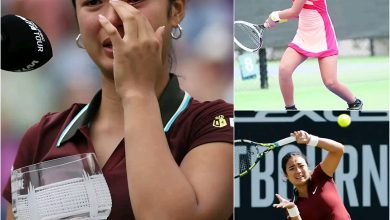
UNIMAGINABLE: The future of Alex Eala and the world of sports is being reshaped by a once-in-a-century contract. She walked into the room with no idea that Billie Jean King and Rafael Nadal were waiting for her inside. What happened next shattered every record and set an entirely new standard for the world of tennis. A staggering $30 million contract was placed on the table—an amount large enough to secure her family’s future for generations. But this is not just about money; this is a revolution

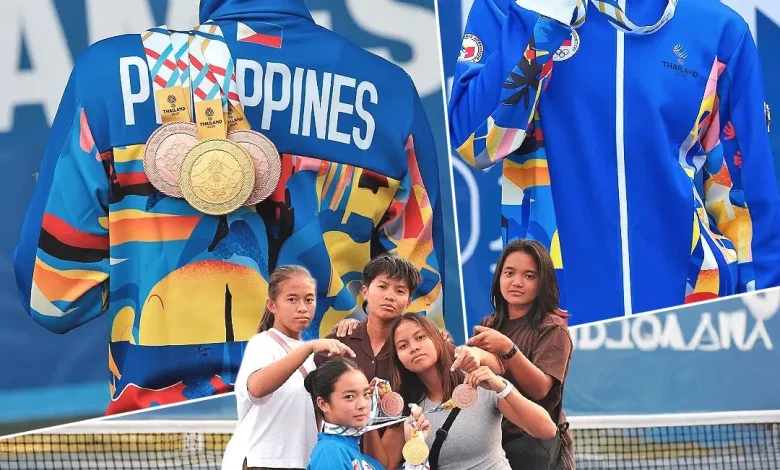
What happened next shattered every record and set an entirely new standard for the world of tennis. A staggering $30 million contract was placed on the table—an amount large enough to secure her family’s future for generations. But this is not just about money; this is a revolution.
Alex Eala never imagined that an ordinary meeting would become the defining moment of her career. She arrived expecting routine discussions, unaware that history was about to unfold in a quiet room charged with legacy, power, and unprecedented opportunity.
When the doors closed, two figures symbolizing generations of tennis greatness stood waiting. Billie Jean King represented revolution and equality, while Rafael Nadal embodied excellence and relentless ambition. Their presence alone signaled that something extraordinary was about to happen.
Eala listened in stunned silence as the conversation unfolded. This was not a standard endorsement pitch or developmental agreement. It was a bold vision for the future, one that positioned her not just as an athlete, but as a transformative global figure.
The contract placed before her carried a staggering value of thirty million dollars. For a young player still carving her place on the professional circuit, the number itself felt surreal, almost impossible to process in a single moment.
Yet the figures on the page told only part of the story. What truly mattered was the belief behind them. This agreement was built on faith in Eala’s character, work ethic, and potential to redefine what modern tennis representation could look like.
Billie Jean King spoke of legacy and responsibility. She emphasized that progress in sport is driven by courageous individuals willing to step into roles larger than themselves. Eala was being invited into that rare and demanding space.
Rafael Nadal’s words were quieter but equally powerful. He spoke of discipline, patience, and resilience. Success, he reminded her, is never guaranteed by money alone, but by daily commitment to improvement and respect for the game.
For Eala, the moment carried emotional weight beyond professional ambition. The contract promised security for her family, recognition of years of sacrifice, and validation of dreams nurtured far from tennis’s traditional power centers.
Her journey from junior success to global attention had not been easy. Competing against better-funded peers, adapting to international pressure, and carrying national expectations demanded maturity beyond her years, shaping her into a uniquely grounded competitor.
This deal signaled a broader shift within the sports industry. Tennis, long dominated by familiar markets and narratives, was opening its doors wider, recognizing talent emerging from diverse regions and backgrounds with renewed seriousness.
Sponsors and governing bodies are increasingly aware that fans seek authenticity. Eala’s story resonates because it reflects determination, humility, and cultural pride, qualities that transcend statistics and rankings in building lasting global connections.
The agreement also challenges traditional timelines. Instead of waiting for Grand Slam titles to validate investment, stakeholders are choosing to nurture potential earlier, aligning resources with long-term vision rather than short-term results.
Critics may question whether expectations placed on Eala are too heavy. However, those closest to the deal insist that the structure prioritizes development, education, and well-being, not just performance metrics or commercial obligations.
In many ways, this contract redefines success itself. It suggests that influence, leadership, and representation matter as much as trophies, expanding the definition of greatness in a sport often obsessed with numbers and records.
For young athletes watching around the world, Eala’s moment delivers a powerful message. Talent combined with integrity can open doors once considered unreachable, regardless of geography or traditional pathways into elite competition.
The ripple effects extend beyond tennis courts. This partnership encourages broader conversations about equity, investment in youth, and the responsibility of icons to mentor the next generation rather than simply celebrate their own achievements.
Eala’s response to the moment was measured and sincere. She did not speak of pressure or fear, but of gratitude and readiness. Her focus remained on training, learning, and honoring the trust placed in her.
As the meeting ended, there were no dramatic gestures. Just handshakes, quiet smiles, and the shared understanding that something historic had begun, not with fireworks, but with intention and belief.
The real test, of course, lies ahead. Matches will be won and lost, narratives will rise and fall, and scrutiny will intensify. Yet the foundation laid by this agreement offers stability rarely afforded so early.
Ultimately, this is why the deal feels revolutionary. It invests not only in an athlete’s potential, but in her humanity, her story, and her capacity to inspire change within and beyond the sport.
Alex Eala walked into a room expecting a meeting. She walked out carrying the weight of possibility, a contract that reshapes futures, and a quiet promise that tennis itself may never look the same again.